Israel’s deepening confrontation with Iran around the Strait of Hormuz, a surprise authoritarian lurch in Nicaragua, and a new Houthi blockade on Saudi oil set a tense geopolitical tone, while AI and defense tech pushed ahead and climate extremes and demographic anxiety tugged at the backdrop. Markets and central banks largely tried to look past the turmoil, but energy routes and grain shipping felt directly in the line of fire.
---
1. GEOPOLITICS
- US–Iran conflict and Hormuz / Red Sea escalation (July 14–21)
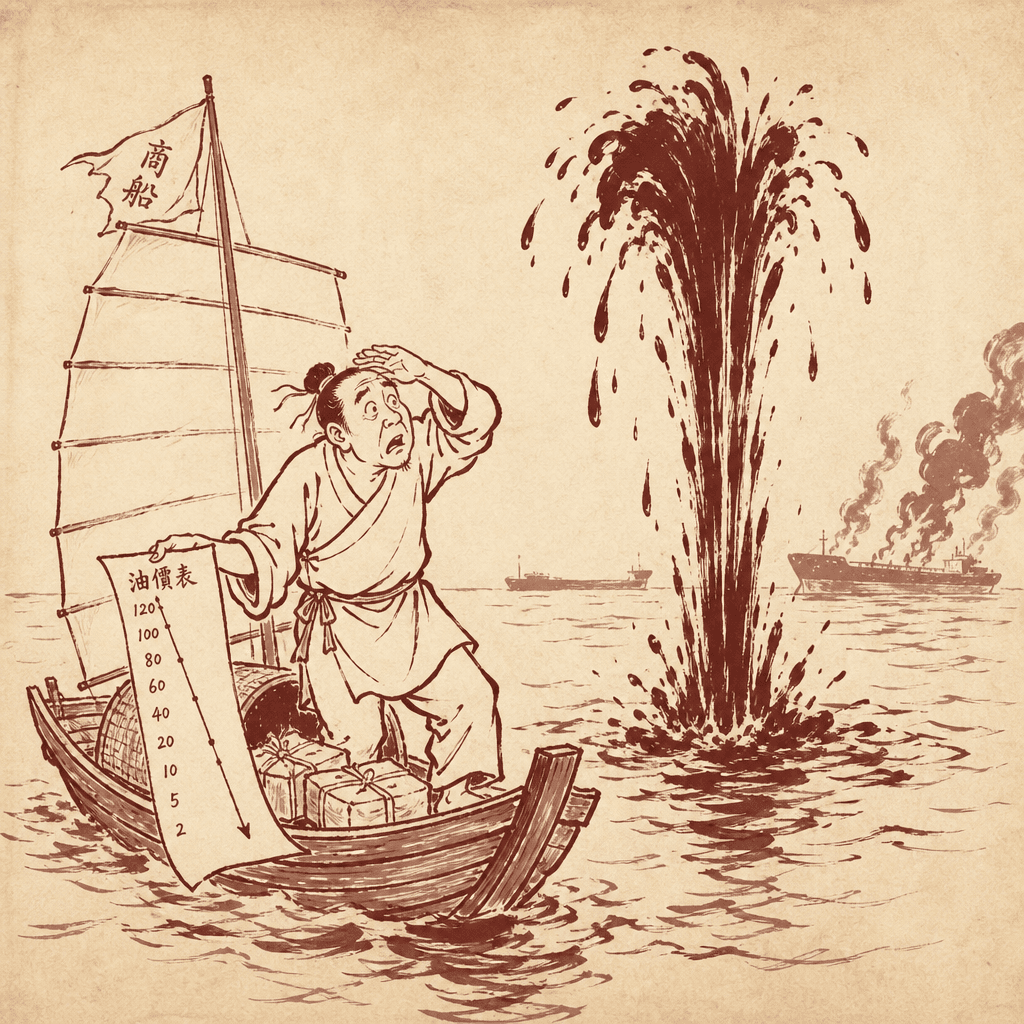
The United States carried out its 10th consecutive night of strikes on Iran, hitting command centers, missile and drone sites, and air defenses as Washington tries to “control” shipping through the Strait of Hormuz. Trump publicly vowed the US would control the strait and collect a 20% shipping fee, turning a security crisis into an economic choke point. In direct response to the effective closure of Hormuz, Iran‑aligned Houthi forces in Yemen announced a maritime embargo on Saudi Arabia, threatening the Bab el‑Mandeb Strait and rerouting millions of barrels of Saudi oil toward Red Sea export terminals.
- ASEAN and wider diplomatic fallout (July 21)
Foreign ministers from ASEAN, meeting in Manila, prepared a joint call for “safe, unimpeded and continuous passage” of ships and aircraft through the Strait of Hormuz, underscoring how the Gulf crisis is now viewed as a direct threat to Southeast Asia’s energy security.
- Ukraine war: leadership turmoil and civilian toll (July 14–21) …